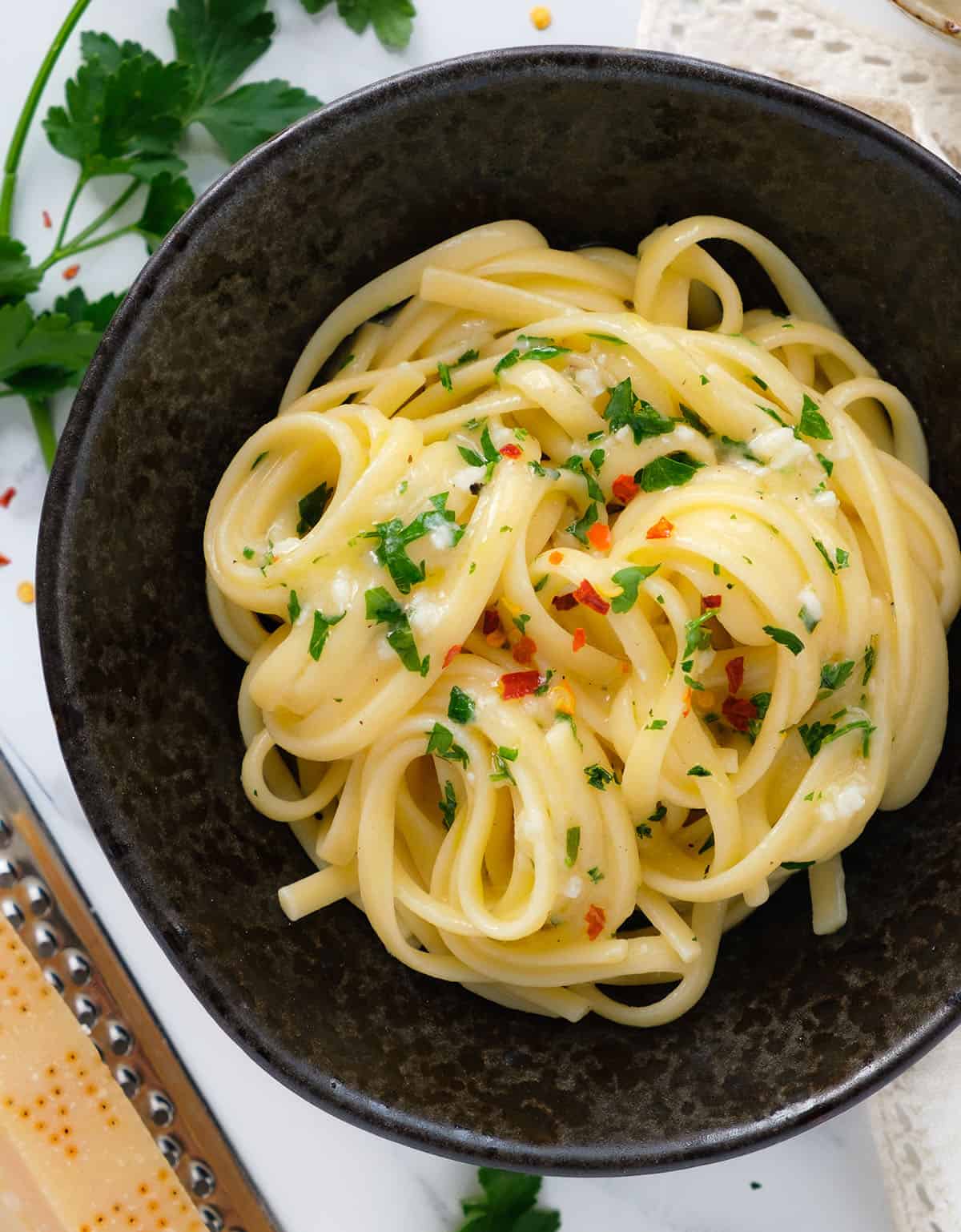
Unlocking Elegance on Your Plate: The Dry White Wine Pasta Sauce
Imagine a pasta dish that tastes like it came straight from a charming Italian trattoria, yet can be whipped up in your own kitchen in a mere 15 minutes. This isn't a culinary fantasy; it's the reality of a well-executed dry white wine pasta sauce. Light, incredibly flavorful, and naturally silky, this sauce is a testament to the magic that happens when simple, quality ingredients come together. It's the ideal choice for a busy weeknight when you crave something special, proving that gourmet doesn't have to mean time-consuming. From its delicate base of garlic and butter to the bright finish of lemon and Parmesan, this white wine pasta sauce is a revelation, perfect on its own or as a sublime foundation for seafood and chicken.
The Culinary Alchemy: Why This White Wine Pasta Sauce Shines
What makes a seemingly simple sauce so utterly captivating? The secret lies in a harmonious blend of fresh ingredients and clever cooking techniques. This Minute White Wine Pasta: Restaurant Taste, Weeknight Speed is built on a foundation of aromatic garlic and rich butter, which forms the perfect stage for the star: dry white wine. As the wine simmers, its alcohol evaporates, leaving behind a concentrated essence that imbues the sauce with incredible depth and complexity without any alcoholic taste. This process, known as deglazing, lifts all the flavorful bits from the pan, creating a savory base that is unparalleled.
One of the most remarkable aspects of this white wine pasta sauce is its inherent creaminess, achieved without a single drop of actual cream. The starch released from the pasta as it cooks, when combined with the reserved pasta water, emulsifies with the butter and wine base. This creates a luxurious, naturally creamy texture that coats every strand of pasta beautifully. A splash of fresh lemon juice cuts through the richness, adding a vital burst of brightness, while generous amounts of freshly grated Parmesan cheese melt into the sauce, lending a salty, umami-rich finish that ties all the flavors together. The optional hint of red chilli flakes introduces a subtle warmth, elevating the dish further without overpowering its delicate balance.
Essential Ingredients for Your Signature White Wine Pasta Sauce
Crafting this exquisite sauce requires a few key players, each contributing significantly to the final masterpiece:
- Quality Olive Oil & Butter: These form the foundational richness. Extra virgin olive oil offers a fruity note, while butter provides a creamy texture and nutty flavor. Don't skimp on quality here.
- Fresh Garlic: Absolutely non-negotiable. Freshly chopped or minced garlic is crucial for that authentic, pungent aroma and flavor. Garlic powder simply cannot replicate its depth and character. Adjust the quantity to your personal preference for a mild hint or a bolder garlic presence.
- Dry White Wine: The undeniable star. This isn't just for deglazing; it's the very soul of the sauce. As the alcohol cooks off, it leaves behind a sophisticated flavor profile that defines the dish. The key is to select a *dry* variety that you'd happily sip on its own.
- Fresh Lemon Juice (and Zest): A squeeze of fresh lemon juice is optional but highly recommended. It acts as a brilliant counterpoint to the richness of the butter and wine, adding a refreshing acidity. For an extra layer of aromatic brightness, a touch of lemon zest works wonders.
- Parmesan Cheese: Freshly grated hard cheese is paramount. It melts beautifully, contributing a salty, nutty, and savory depth that rounds out the sauce. Opt for genuine Parmesan (or a vegetarian/vegan hard cheese alternative) over pre-shredded varieties, which often contain anti-caking agents that hinder melting.
- Pasta Water: The unsung hero. This starchy liquid reserved from cooking your pasta is the secret to achieving that naturally creamy, emulsified texture without needing actual cream. It helps bind the sauce to the pasta perfectly.
- Fresh Herbs (e.g., Parsley, Basil): A sprinkle of fresh, vibrant herbs at the end adds a fresh aroma and visual appeal. Fresh parsley is classic, but basil can offer a sweeter, more aromatic alternative.
- Red Chilli Flakes (Optional): For those who appreciate a subtle kick, a pinch of red chilli flakes infused into the oil and butter provides a delightful warmth that enlivens the palate.
Selecting the Best Dry White Wine for Pasta Sauce
The choice of wine is paramount when making a truly outstanding white wine pasta sauce. The general rule of thumb is to cook with a wine you'd actually enjoy drinking. This doesn't mean breaking the bank on an expensive bottle, but it does mean choosing something palatable and, crucially, *dry*.
Crisp, dry white wines are your best friends here because they contribute flavor without overpowering the delicate balance of the sauce. Here are some top recommendations:
- Pinot Grigio: This is arguably the safest and most popular choice. Its light, crisp, and neutral profile adds a pleasant acidity and subtle fruitiness without dominating other ingredients. It's especially good if you're cooking for someone who might be hesitant about wine in food, as its flavor is very approachable.
- Sauvignon Blanc: For those who appreciate a bit more character, Sauvignon Blanc is an excellent option. Known for its vibrant acidity, citrus notes (lemon, lime), and sometimes herbaceous undertones, it can add a lovely complexity and brightness to your dry white wine pasta sauce. Be mindful of overly grassy or pungent varieties, as they might be too strong for a delicate sauce.
- Unoaked Chardonnay: While Chardonnay can sometimes be heavy and oaked, an unoaked version (often labeled "Chablis" if from France) can be a fantastic choice. It offers a clean, crisp profile with subtle apple or pear notes, providing richness without the buttery, vanilla flavors that heavy oak can impart and which would clash with your sauce.
- Vermentino or Orvieto: If you want to lean into an Italian sensibility, these varietals are naturally dry, crisp, and offer a wonderful aromatic quality that complements pasta beautifully.
What to avoid: Steer clear of sweet wines like Moscato, sweet Riesling, or dessert wines. Their sugar content will throw the balance of your savory sauce completely off, resulting in an unpleasantly sweet and sticky finish. Also, heavily oaked wines (like many Californian Chardonnays) can impart flavors of vanilla, butterscotch, or toast that clash with the fresh, bright profile we're aiming for in a dry white wine pasta sauce.
Crafting Your Perfect White Wine Pasta Sauce: A Step-by-Step Guide
The beauty of this easy white wine pasta sauce lies not only in its flavor but also in its straightforward preparation. Here's how to bring it all together:
- Cook the Pasta: Bring a large pot of water to a rolling boil. Season it generously with salt – this is your only chance to flavor the pasta from within. Add your chosen pasta (spaghetti, linguine, fettuccine, or even a short pasta like penne works well) and cook it to al dente according to package instructions. Crucially, before draining, reserve 1-2 cups of the starchy pasta water. This liquid gold is vital for the sauce's texture.
- Build the Sauce Base: While the pasta cooks, heat a large, deep skillet or pan over medium heat. Add a good drizzle of quality olive oil and a knob of butter. Once the butter is melted and sizzling, stir in your freshly chopped or minced garlic and, if using, the red chilli flakes. Cook for just 1-2 minutes, stirring frequently, until the garlic is fragrant but not browned or burned. Burnt garlic tastes bitter, so watch it closely!
- Deglaze with Wine: Pour in your chosen dry white wine. The wine will sizzle vigorously – this is good! Let it simmer for about 5 minutes, or until the strong smell of alcohol dissipades. This process concentrates the wine's flavor and removes the alcohol, leaving behind only its delicious essence.
- Combine & Emulsify: Add the cooked pasta directly to the pan with the sauce. Ladle in about half a cup of the reserved pasta water. Toss everything together vigorously. The starch from the pasta water, combined with the fats in the pan, will begin to create a luscious, naturally creamy emulsion. If the sauce seems too thick, add more pasta water, a splash at a time, until you reach your desired consistency. This is how you get a Naturally Creamy White Wine Pasta Sauce (No Cream Needed).
- Finish & Serve: Remove the pan from the heat. Stir in the fresh lemon juice and plenty of freshly grated Parmesan cheese. The residual heat will melt the cheese into the sauce. Taste and adjust seasoning with salt and freshly cracked black pepper as needed. Garnish generously with fresh parsley or basil before serving immediately.
Versatile Pairings: Beyond Just Pasta
While pasta is undoubtedly a perfect match for this dry white wine pasta sauce, its light, bright, and savory profile makes it incredibly versatile. Don't limit its potential to just spaghetti!
- Seafood Sensation: This sauce is a dream pairing for various seafoods. Toss it with pan-seared shrimp or scallops for a quick yet elegant meal. It also beautifully complements mussels, clams, or even a delicate white fish like cod or halibut. The wine's acidity and the sauce's lightness enhance the natural sweetness of seafood without overpowering it.
- Chicken Elegance: Forget heavy cream sauces for chicken. This white wine pasta sauce is fantastic with pan-seared or grilled chicken breast. Simply cook your chicken separately, slice it, and then toss it with the finished sauce and pasta, or spoon the sauce over the chicken itself. It adds moisture and a burst of flavor that feels both comforting and sophisticated.
- Vegetarian Delight: Elevate your vegetable dishes. Roasted asparagus, cherry tomatoes, mushrooms, or zucchini tossed in this sauce become incredibly flavorful. You can even combine it with a medley of sautéed seasonal vegetables for a vibrant and healthy meal.
- A Base for Creativity: Consider it a flexible base. Add wilted spinach, sun-dried tomatoes, or even capers for different flavor dimensions. The clean profile of the dry white wine pasta sauce allows these additions to shine.
Conclusion
The dry white wine pasta sauce is a testament to the fact that culinary excellence doesn't require complexity or endless hours in the kitchen. With just a few quality ingredients and a straightforward method, you can create a restaurant-worthy dish that's light, naturally creamy, and bursting with fresh flavors. The careful selection of a crisp, dry white wine, coupled with the brightness of lemon and the savory depth of Parmesan, transforms a simple meal into an elegant experience. Whether you're serving it as a quick weeknight dinner, enhancing it with seafood or chicken, or exploring its vegetarian possibilities, this versatile sauce is sure to become a beloved staple in your cooking repertoire, proving that sometimes, the simplest things are truly the most satisfying.
